Every few months, someone in our classes asks the same question. “Sir, which skill should I learn to start freelancing?” It’s a fair question, and honestly, it’s the one question that decides whether someone earns their first dollar online in three months or gives up after wasting a year on the wrong skill.
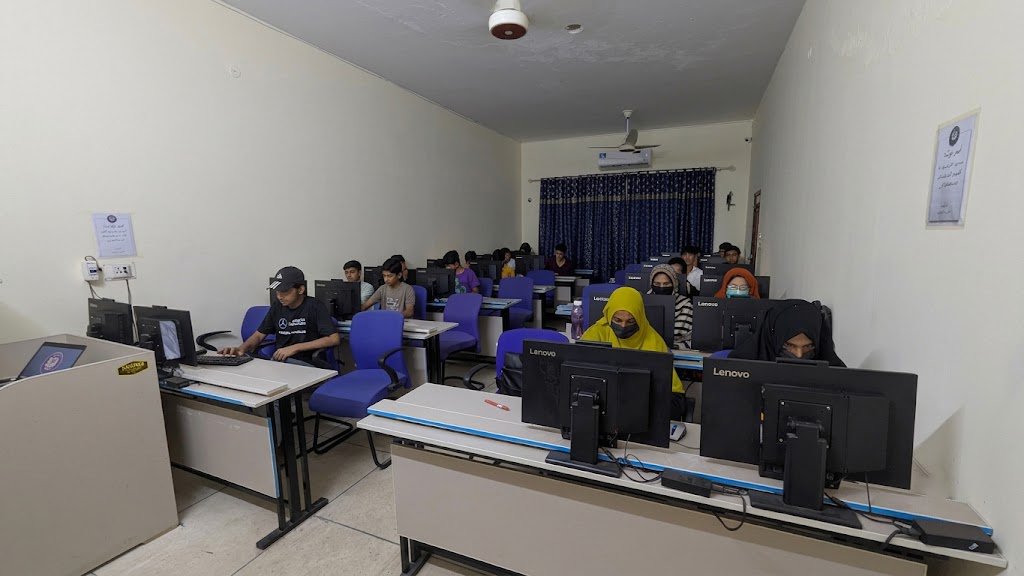
At CSDC, we’ve trained hundreds of students in Gujranwala who wanted to build a career from their laptop, not a degree certificate. Some picked graphic design. Some picked web development. A few picked skills that sounded exciting but had almost no demand, and we watched them struggle for months before switching. That experience is exactly why we’re writing this guide the way we are, based on what actually works, not what sounds impressive on paper.
Why the Skill You Pick Actually Matters
There’s a popular opinion online that “any skill works if you’re good at sales.” That’s only half true. Sales and communication do matter a lot, but if you pick a skill that clients barely search for, you’ll spend months pitching to an empty room.
According to Upwork’s 2026 In-Demand Skills report, demand for AI-related freelance skills grew 109% year over year, while steady categories like web development, virtual assistance, and graphic design kept strong, consistent demand. The pattern is simple. Clients hire for skills that solve a specific problem, and the freelancers who win are the ones standing where the demand already is.
So before we get into sales pitches and portfolios, let’s talk about the actual skills worth learning right now.
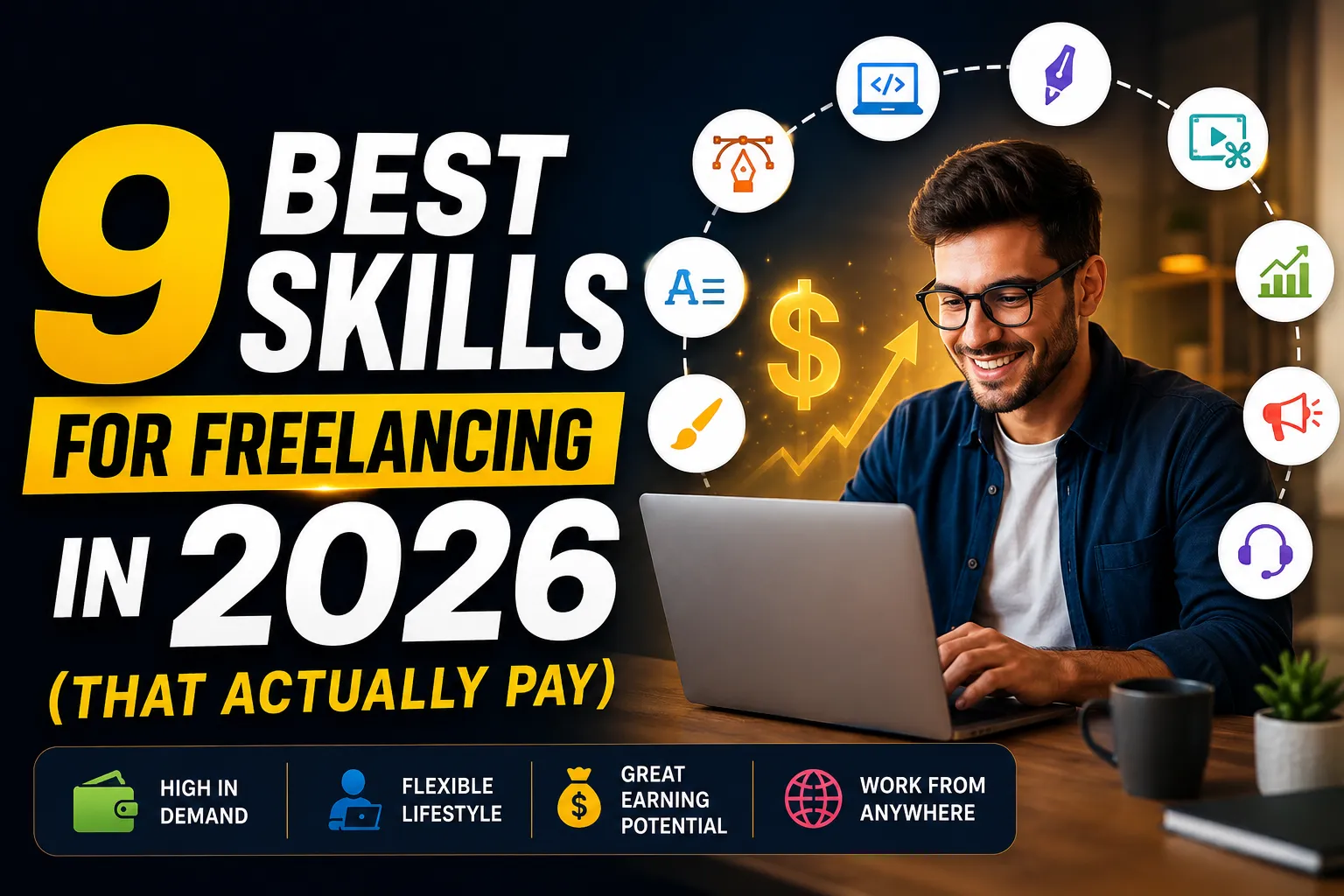
Best Skills for Freelancing in 2026
1. Graphic Design
Every business, big or small, needs visuals. Logos, social media posts, packaging, banners. This is often the first skill people at CSDC pick because you can start earning small projects within weeks of learning the basics of Photoshop and Illustrator. We’ve written a full breakdown of this path in our graphic design guide if you want to see what the learning curve actually looks like.
2. Website Designing and Development
Almost every business owner wants a website but very few know how to build one. If you can design and build clean, functional websites using WordPress or basic HTML and CSS, you’ll rarely run out of clients. We cover this in more depth in our website designing article, including why it’s one of the few skills that opens doors into multiple career paths at once.
3. SEO (Search Engine Optimization)
Businesses spend money on websites, then realize nobody can find them on Google. That’s where SEO freelancers come in. It’s a skill with a longer learning curve than most, but the pay reflects that. If you’re curious how this actually works behind the scenes, our post on why SEO matters for digital growth explains it in plain language.
4. Digital Marketing (Social Media and Ads)
Someone has to run the Facebook and Instagram ads, manage the content calendar, and track what’s actually converting into sales. This is one of the most requested skills from small business owners who don’t have time to learn it themselves.
5. AI Tools and Automation
This is the newest addition to the list, and it’s growing fast. Businesses want people who can connect AI tools like ChatGPT or Claude into their daily workflow, whether that’s writing product descriptions, building simple chatbots, or automating repetitive tasks. You don’t need to be a programmer for this, you need to understand how to prompt and connect tools properly.
6. Video Editing
Short videos are everywhere now, from Reels to YouTube Shorts to product ads. Editing is a practical, visual skill that clients can judge instantly from your portfolio, which makes it easier to land your first few gigs.
7. Content and Copywriting
Every website, ad, and email needs words that actually convince someone to act. Good writers who understand a bit of SEO and persuasion are always in demand, and this skill pairs well with almost every other one on this list.
8. Virtual Assistance
Not every high-paying freelance skill needs to be technical. Business owners hire virtual assistants to manage their inbox, schedule meetings, handle customer queries, and keep their day organized. It’s a great starting point if you’re confident, organized, and good with communication.
9. Basic Computer and Software Skills
This might sound too simple to mention, but it’s the foundation everything above is built on. If typing, using Excel, managing files, and navigating software still feels shaky, start there first. We explain why in our post on why computer skills are essential in today’s digital world.
How to Pick the Right One for You
Don’t try to learn three of these at once. Pick one based on two honest questions.
- What kind of work do you actually enjoy doing, even when no one’s watching?
- Which of these skills has visible demand where you’re looking for clients?
If you enjoy visuals, design is your lane. If you like structure and logic, development or SEO fits better. If you like people and conversations, marketing or virtual assistance will feel natural. The skill that lasts is the one you don’t get bored of after month two.
How to Actually Land Your First Client
Learning the skill is half the job. The other half, which most guides skip, is getting someone to trust you enough to pay you.
- Build three to five sample projects, even if they’re for imaginary clients. Portfolios beat resumes in freelancing.
- Set up one clean profile on Fiverr or Upwork, and one on LinkedIn. Don’t spread yourself across ten platforms at once.
- Apply to smaller projects first. Your first few clients aren’t about the paycheck, they’re about getting a review and a testimonial.
- Follow up politely. Most freelancers lose clients simply by going silent for two days after sending a quote.
This is also where structured training helps. Our courses are built around this exact gap, not just teaching the software, but teaching how to package your skill, talk to clients, and actually get hired.
Mistakes We See Beginners Make
Over the years, a few patterns repeat themselves. Students jump into freelancing without a portfolio, price themselves too low out of fear, or try to learn everything at once instead of mastering one skill first. The freelancers who actually build a stable income are the ones who stay patient with one skill for at least three to four months before judging whether it’s working.
Final Thoughts
The best skill for freelancing isn’t the one that’s trending on YouTube this week. It’s the one you can realistically learn, enjoy doing, and that clients are already searching for. Whether that’s design, development, SEO, or something else on this list, what matters most is starting with proper guidance instead of guessing your way through tutorials for a year.
If you’re in Gujranwala and want hands on training instead of scattered YouTube videos, feel free to get in touch with our team. We’ll help you figure out which skill actually fits you before you spend a single rupee on a course.
Frequently Asked Questions
What is the best skill to learn for freelancing in 2026? There’s no single “best” skill for everyone. Graphic design and website development remain strong for beginners, while AI tools, SEO, and digital marketing are growing fastest in demand. The right choice depends on your interest and the local market you’re targeting.
Can I start freelancing without a degree? Yes. Most clients care about your portfolio and results, not your degree. Many successful freelancers in Pakistan started with short, practical courses instead of a formal degree.
How long does it take to learn a freelancing skill? Most beginners can learn the basics of a skill like graphic design or digital marketing in six to twelve weeks with consistent practice, though becoming genuinely good at it usually takes a few months of real project experience.
Which freelancing skill pays the most? Web development, SEO, and AI automation tend to pay higher rates because they directly impact a business’s revenue or visibility. That said, skilled freelancers in design and content writing also earn well once they build a strong portfolio.
Do I need an expensive laptop to start freelancing? No. A basic laptop with a stable internet connection is enough for most skills, including design, writing, marketing, and virtual assistance. You can upgrade your setup later as your income grows.
Is freelancing still worth it in Pakistan in 2026? Yes. Pakistan remains one of the fastest growing freelance markets in the world, and demand for digital skills keeps increasing every year as more local and international businesses look to hire remote talent.