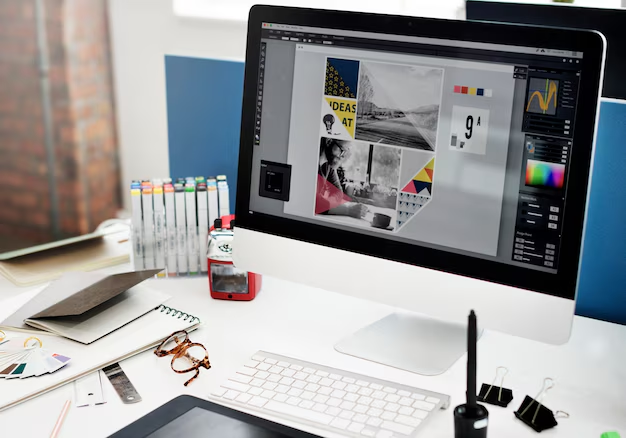
Think about the last time a shop near you needed a new signboard, a menu card, or a Facebook post for a sale. Somebody made that. Most of the time it wasn’t a big agency in Lahore, it was one person who knew Photoshop and Illustrator well enough to open a laptop and get it done in an hour, then charge for it. That is what this course teaches you to do.
What graphic design actually means in daily work
People hear “graphic design” and think of fancy branding agencies. In practice, most design work around Gujranwala is smaller and more constant than that. It is a bakery that needs a new price list every few months. It is a tailor who wants an Eid card to send on WhatsApp. It is a real estate dealer who needs a plot advertisement for Facebook. It is a wedding hall that needs banners printed for every event. None of this needs a big studio. It needs one person who can open a design program and produce something clean, on time.
What you learn, in order
Weeks 1 and 2, Photoshop. You learn layers, masking, cropping, color correction, and how to clean up a photo that a client sends you on WhatsApp with bad lighting. This is the single most requested skill locally, because almost every small business owner has a phone photo they want touched up before it goes on a poster or a page.
Weeks 3 and 4, Illustrator. You learn the pen tool, vector shapes, and how to build things that scale without going blurry, which matters because a logo made in Illustrator can be printed on a small visiting card or a huge shop board without losing quality. Photoshop cannot do that properly. This is also where you start designing actual logos.
Weeks 5 and 6, brand identity. You take a business, real or one you invent, and build its full look. A logo, a color palette, a business card, a letterhead. You learn why a mobile repair shop and a bridal shop should never use the same colors or fonts, and how to make those decisions instead of guessing.
Week 7, social media design. You build a set of Instagram and Facebook post templates for a business, sized correctly for each platform, so a shop owner can reuse them every week without paying a designer each time. This single skill is what most local freelancing work is actually built around right now.
Week 8, print and portfolio. You design a poster, a flyer, and a menu card, since print work never really went away here, it just runs alongside the digital work. By the end of this week you put your best pieces together into a portfolio you can actually show someone.
What you walk out with
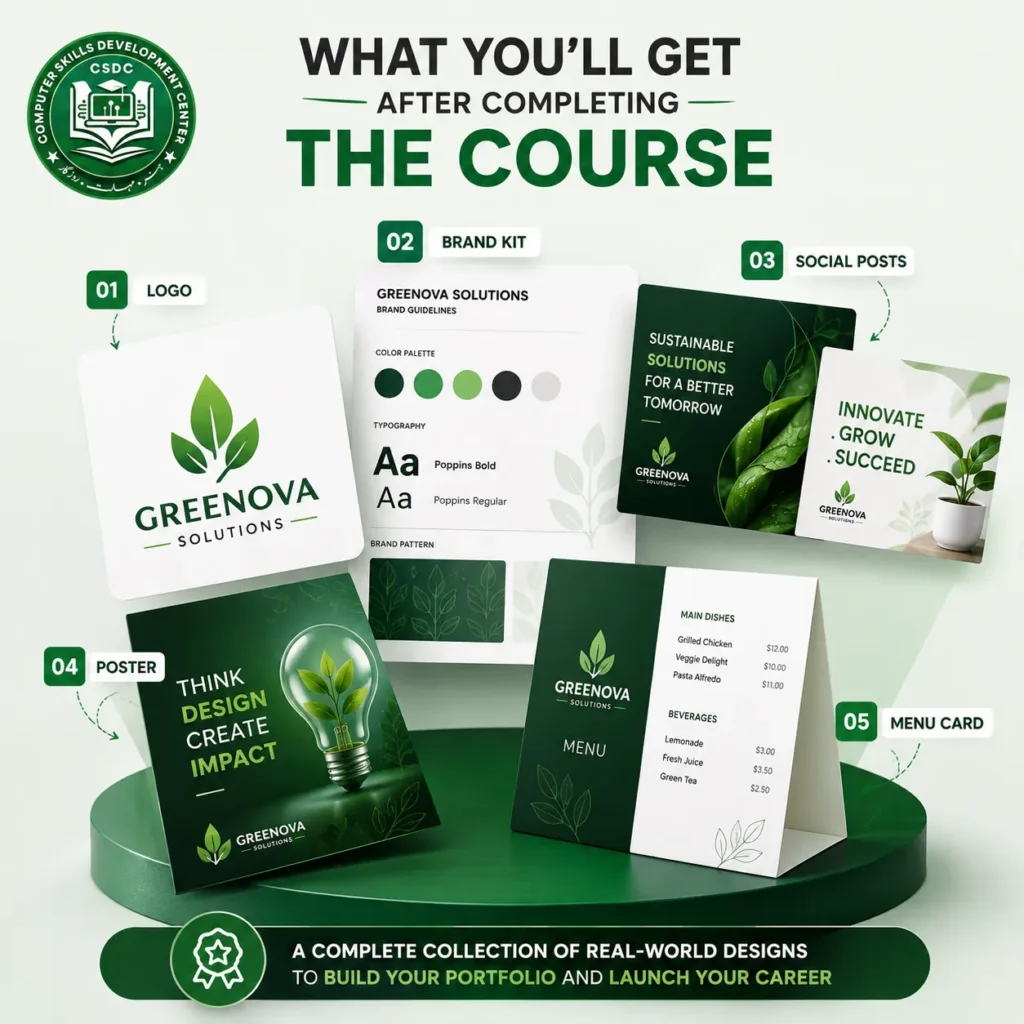
Not a certificate you put in a drawer. A folder of real work: a logo, a brand kit, a set of social posts, a poster, and a menu card, all made by you, all things you can put in front of a shop owner or a client on Fiverr and say “I made this.”
What this is actually worth doing
Be realistic about this. Nobody starts out charging large amounts. Most people begin by designing for one or two local shops, charging a few hundred rupees per poster or post, or picking up small gigs on Fiverr for logos and social media templates. It builds from there once you have real client work behind you, not from the course alone. The course gets you to the point where you can take that first paid job and actually deliver something usable. What happens after that depends on how much you keep working at it, same as any skill.
Why learn it in a classroom instead of YouTube
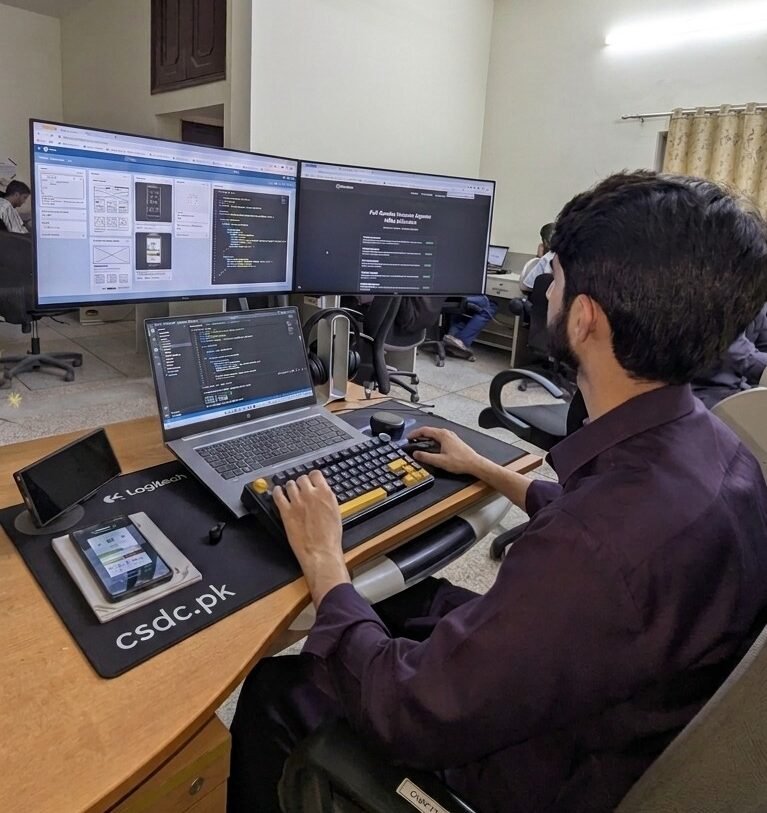
Plenty of people try to learn Photoshop from YouTube and get stuck at the same three problems every time: not knowing which tool actually fixes what they are trying to do, not knowing if their work is actually good or just looks fine to them, and giving up halfway because there is nobody to ask. Sitting in a lab with an instructor solves exactly those three problems. You ask a question, you get an answer in the moment, and someone tells you honestly if a design works or not before you show it to a client and find out the hard way.
The practical details
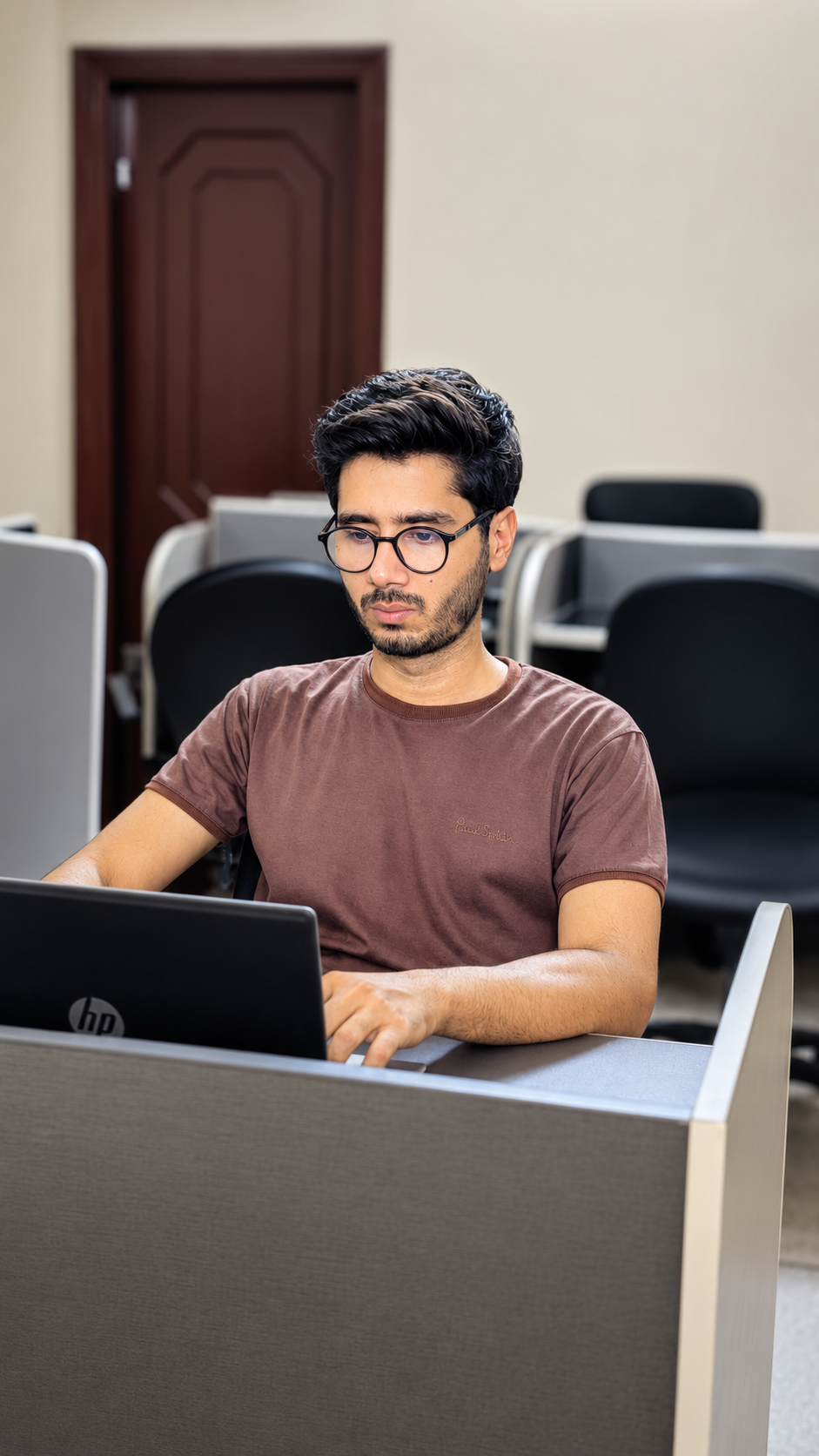
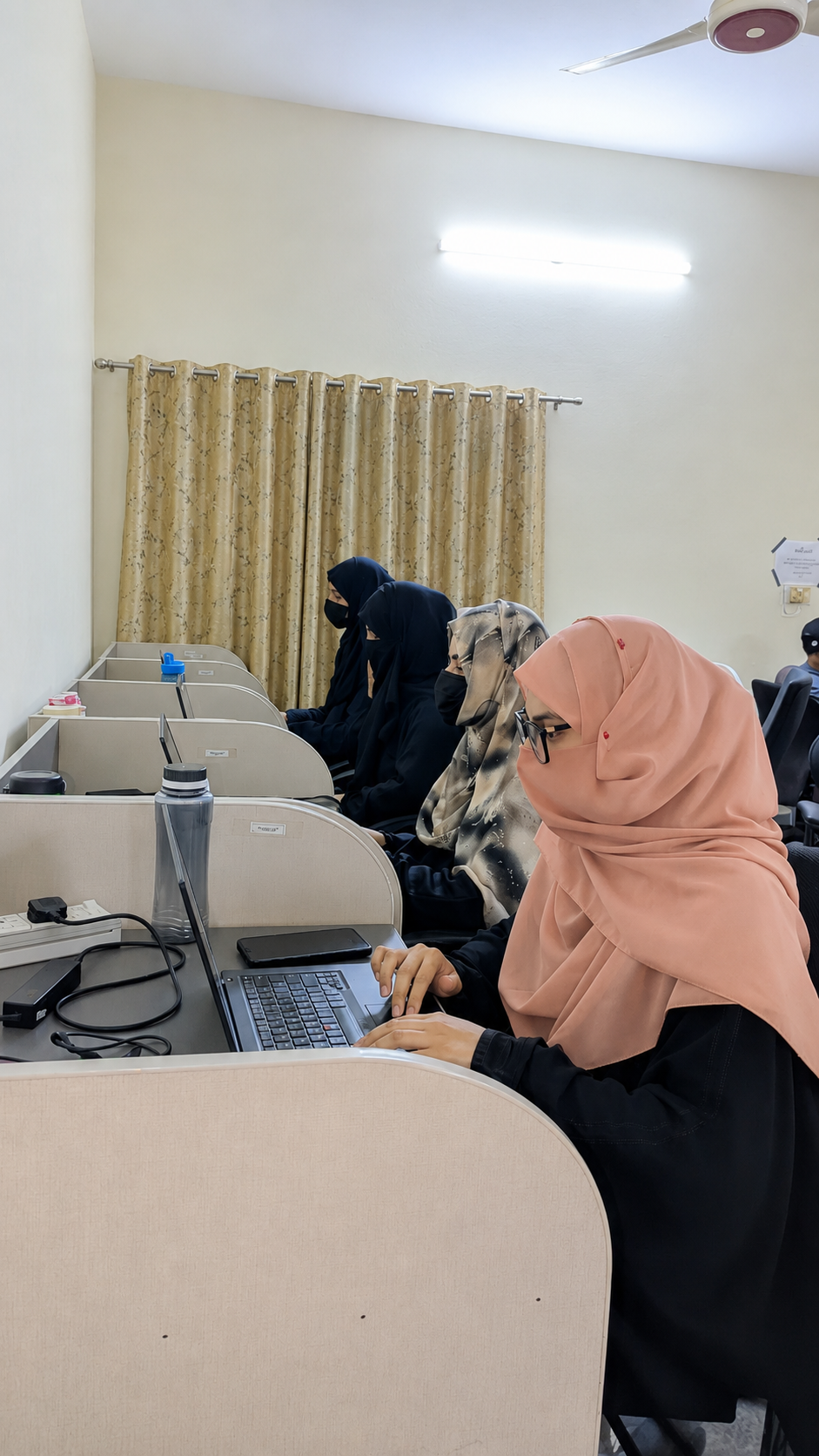
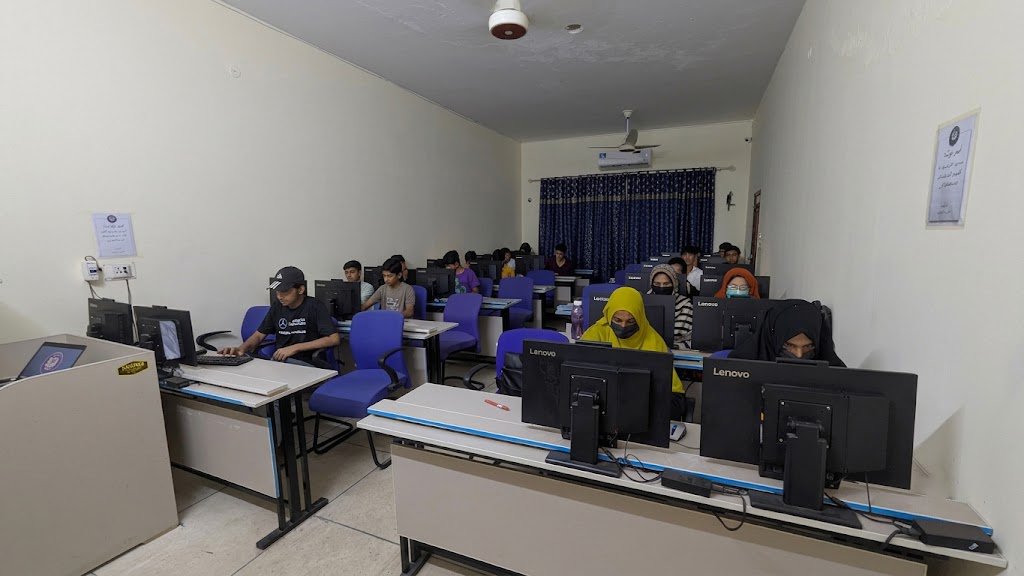
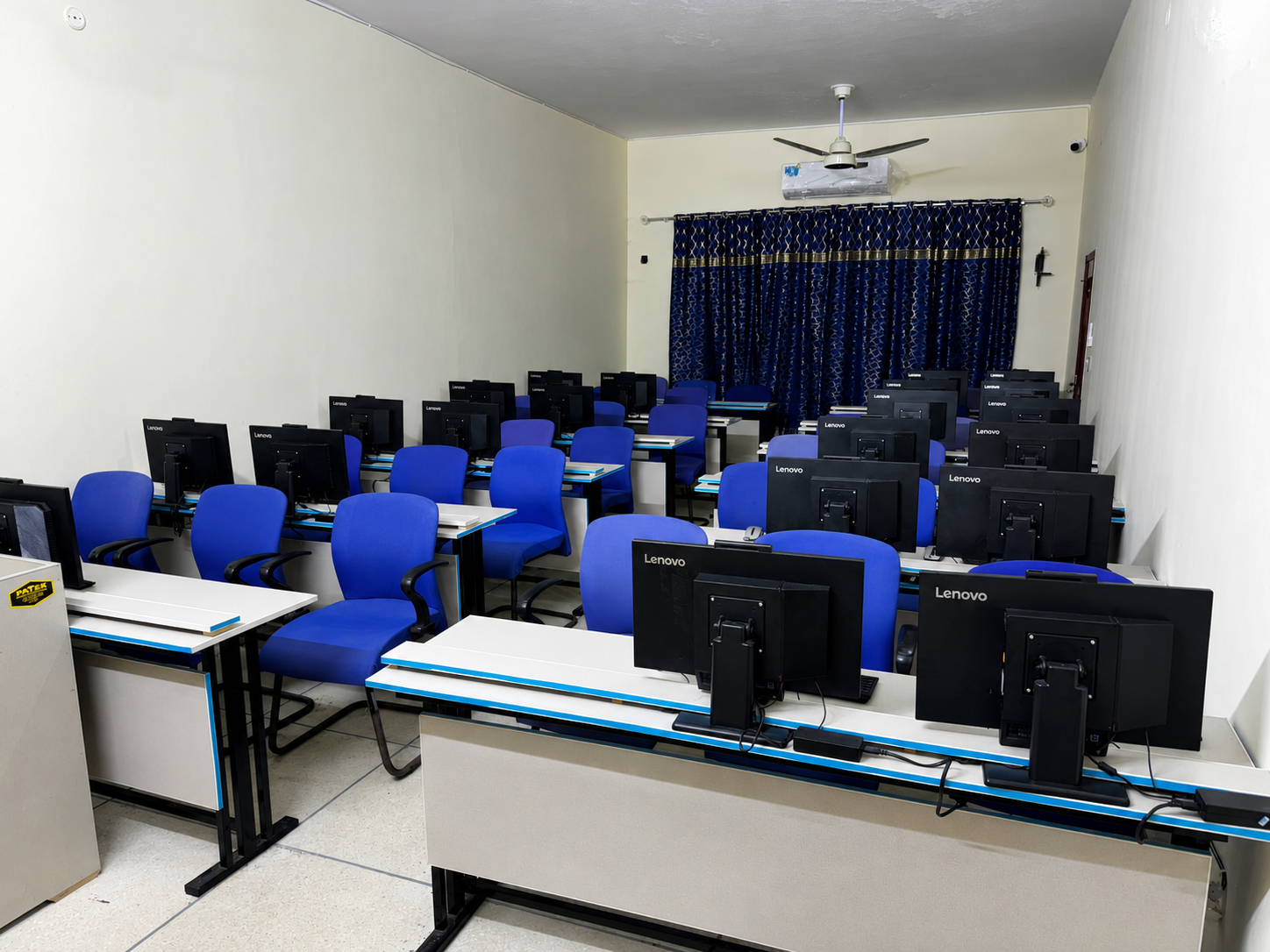
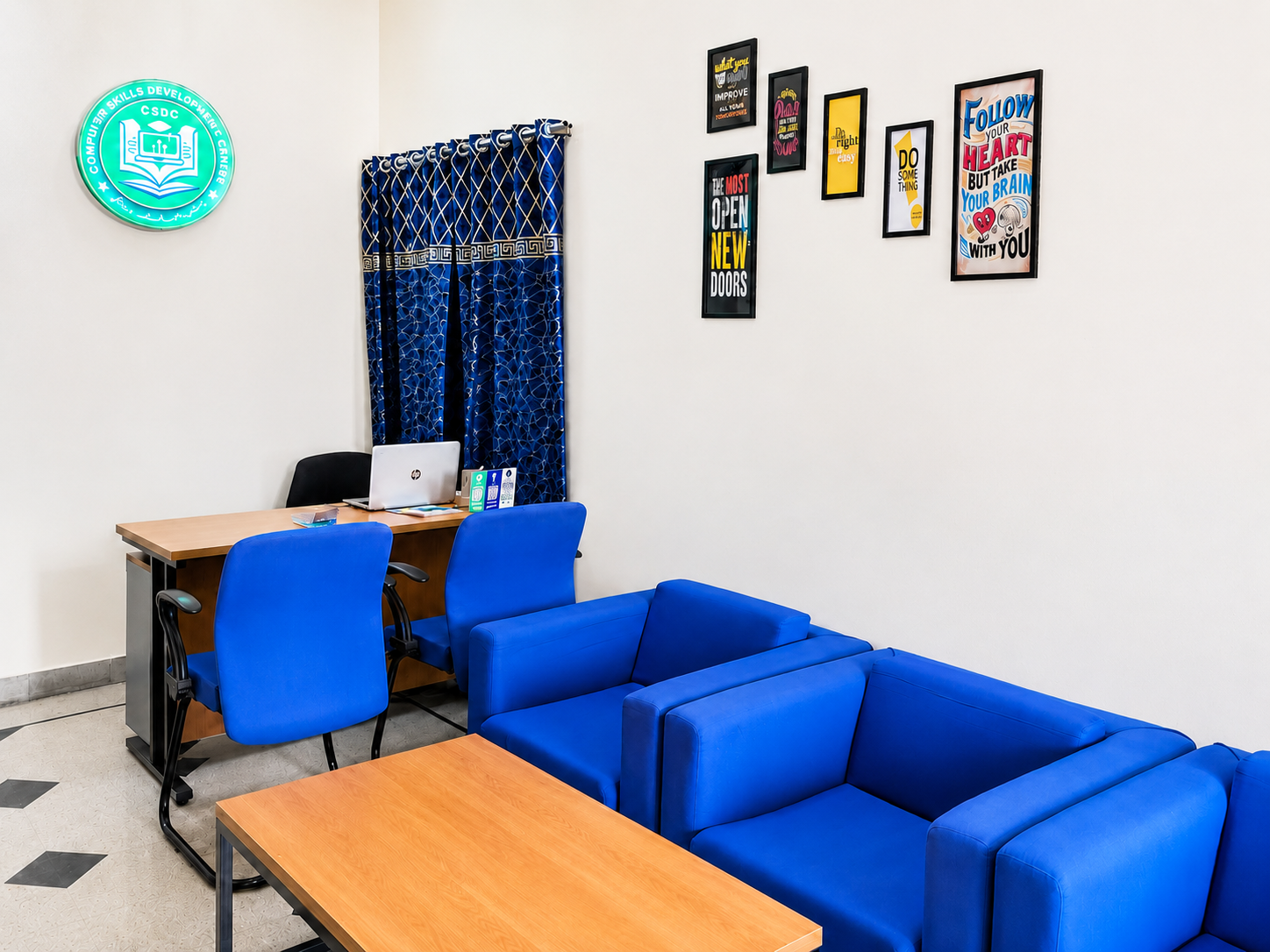
The lab is air conditioned, which matters when you are staring at a screen for two hours in Gujranwala’s summer. Classes are hands on from the first session, you are opening the software yourself, not watching someone else use it on a projector. We already run other computer courses from this same lab, so if you want to see the setup or sit in on a class before deciding, you are welcome to. That is a fair thing to ask any institute before paying, not just this one.
Address: Near Tayyaba Hospital, Gala Tanki Wala, Qila Didar Singh Phone and WhatsApp: 0305-1818182 Email: info@csdc.pk
Questions people usually ask
I have never used Photoshop or Illustrator. Can I still join?
Yes. Most students start with zero experience. The first two weeks are built for exactly that.
Do you only teach the software, or actual design skills too?
Both. Knowing where the buttons are in Photoshop does not make someone a designer. You also learn color choices, layout, and why certain designs work for certain businesses, which is the part that actually gets you paid.
Can girls join this course?
Yes, both boys and girls are welcome. We have students from both in our other courses already.
Will I be ready to freelance right after the course?
You will have real project work to show, which is what freelancing platforms and local clients actually ask for. Getting your first client still takes some effort on your side, the course gets your skills and portfolio to a usable point.
Do you offer flexible timings for students who are in school or already working?
Yes, we run more than one batch timing. Call us and we will tell you which one currently has open seats.
Is there a certificate at the end?
Yes, once you complete the course.